A brake assist warning on the instrument cluster does not automatically mean the hydraulic control unit needs replacement. At nematocystz, we see BAS faults weekly that resolve after calibration, connector service, or a vacuum sensor adjustment. This article explains the logic our chassis team follows before any major part is ordered.
What BAS actually monitors
Brake Assist Systems increase braking force during emergency stops by interpreting pedal speed and available vacuum or hydraulic pressure. The module compares driver input against baseline sensor readings. When those readings fall outside expected ranges — even briefly — the system may disable assist and store a fault code while illuminating a warning lamp.
Owners often report that normal braking still feels acceptable. That is because base braking remains functional; only the supplemental assist is withdrawn. Treating the warning as non-urgent is understandable, but delayed diagnosis can mask developing vacuum leaks or sensor drift that will eventually affect stopping performance under load.
Common fault patterns we see in the bay
Scan tool data is the starting point. We look for codes related to vacuum pressure sensors, pedal position correlation, and internal module self-tests. Three patterns appear most frequently in our San Francisco workshop:
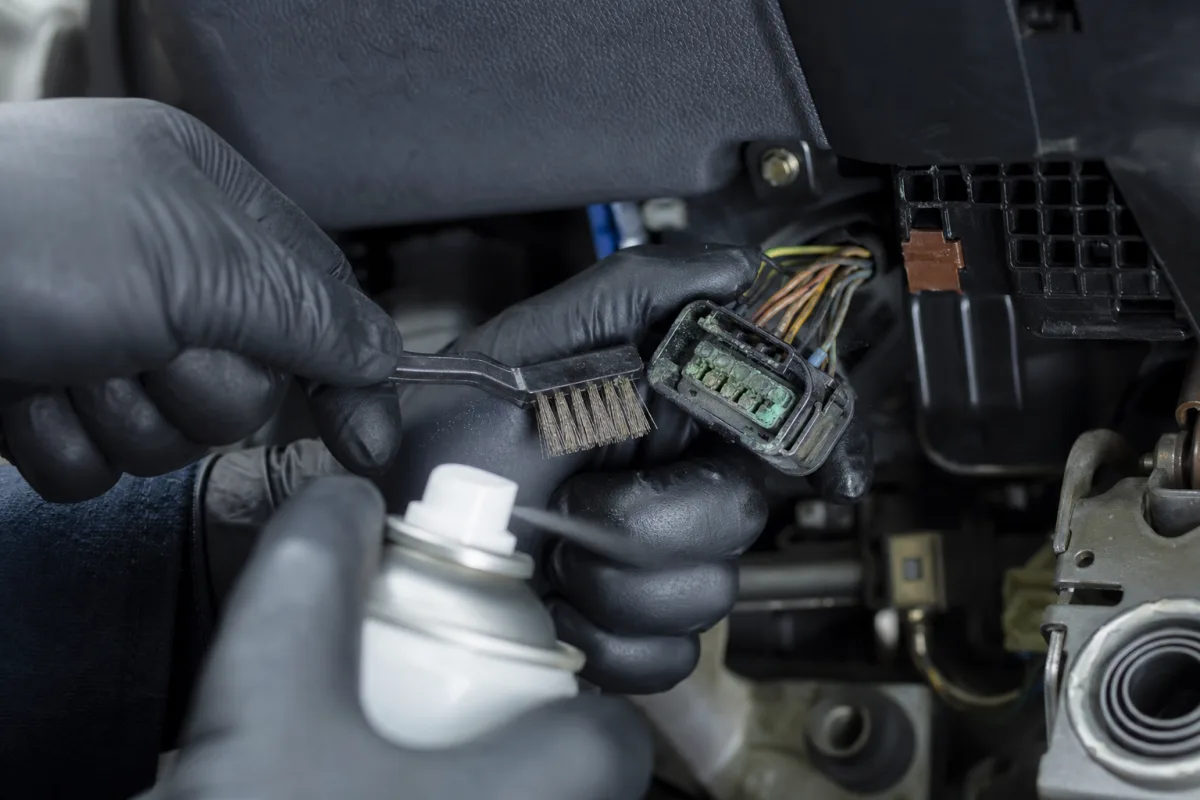
- Corroded harness pins at the vacuum sensor or pedal module, causing intermittent voltage drops under vibration.
- Calibration drift after battery replacement or control module programming, where stored reference values no longer match live sensor output.
- Mechanical vacuum leaks upstream of the sensor, producing plausible but unstable pressure readings during rapid pedal application.
Each of these can mimic a failed BAS module on a generic code reader. Replacing the module without confirming sensor integrity often leads to repeat visits and unnecessary expense.
Our diagnostic sequence
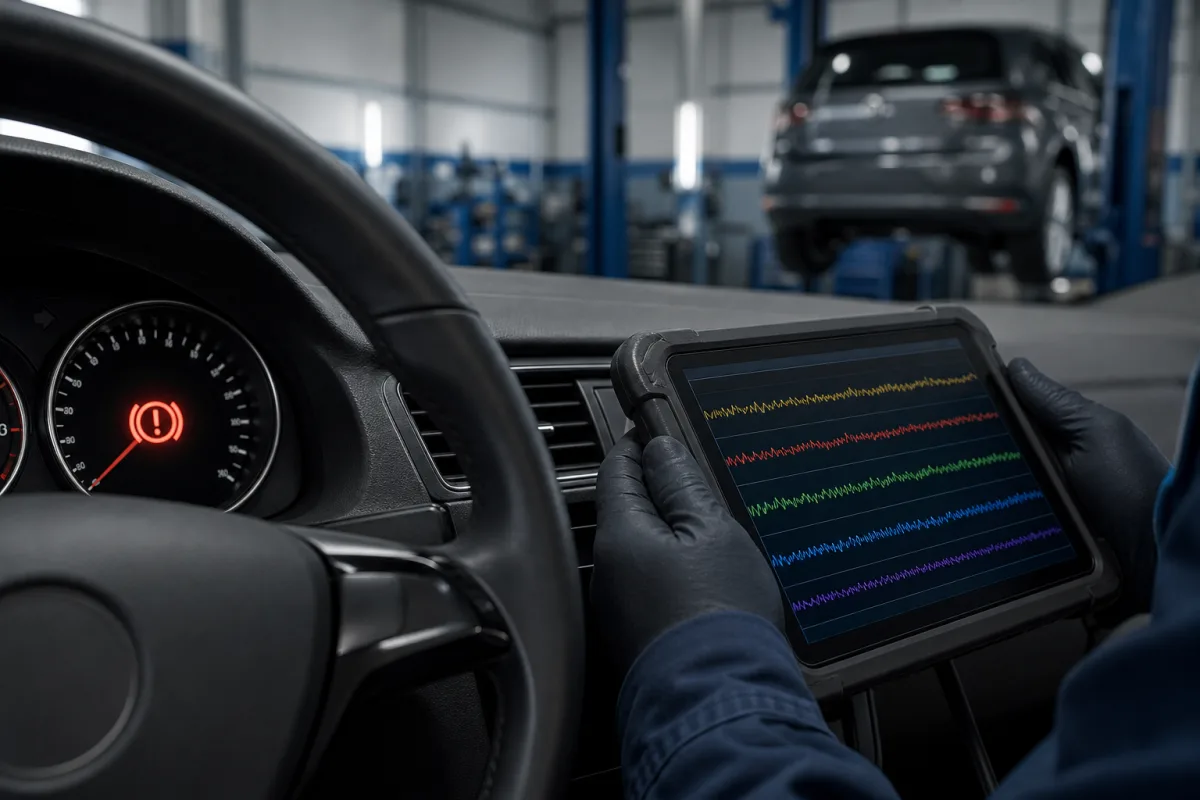
After documenting stored and pending codes, we verify live data during a controlled brake application on a lift with wheels free to rotate. Vacuum or pressure traces should rise predictably with pedal travel. Flat lines, delayed response, or values that snap to extremes suggest wiring or sensor issues rather than module failure.
Harness inspection follows. We disconnect affected connectors, inspect terminal tension, and treat contacts with appropriate electrical cleaner when oxidation is present. A wiggle test while monitoring live data often reveals faults that static scans miss.
If sensors and wiring check out, we proceed to manufacturer-specific calibration procedures. Many BAS-related codes clear only after a successful relearn cycle completed with the correct scan tool and vehicle conditions. Skipping this step is one of the most common reasons for comebacks after part replacement.
When module replacement is justified
We authorize BAS module replacement when internal self-test failures persist after verified sensor input, clean connections, and completed calibrations. Physical damage from moisture intrusion or prior collision repair also warrants replacement rather than repeated programming attempts.
Before any major component is installed, we provide a written summary of test results so owners understand why the repair path was chosen. That transparency is central to how nematocystz handles chassis and brake system work.
What you can do before your appointment
Note when the warning appeared — after a battery service, during wet weather, or only under hard braking. Photograph the exact warning symbol and record whether the lamp stays on continuously or flickers. These details shorten the initial diagnostic conversation and help our advisors schedule the right technician and equipment for your visit.